
Integrated Utility Lane
We negotiate with property managers to reserve dedicated bandwidth and physical power redundancy specifically for decentralized startup workspaces, preventing residential strain.
Traditional innovation hubs focus on city-wide density. We redirect that energy into the residential and commercial blocks of Kuala Lumpur, building specialized startup nodes where people actually live and gather.
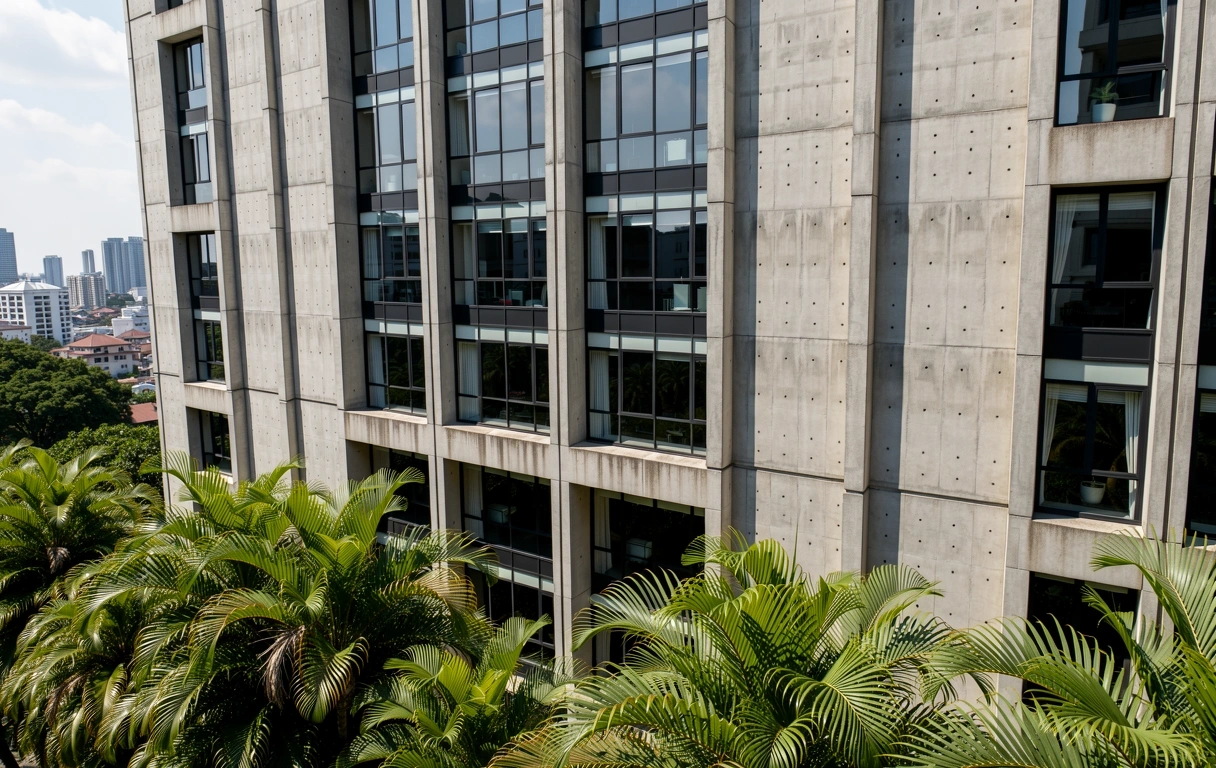
Our ecosystem model is not a flat directory; it is a three-dimensional intervention into existing urban fabric. We activate space, then talent, then capital—in that specific order.
Identifying underutilized commercial blocks or residential podiums that can house 'Base Stations'—the physical hardware for hyper-local innovation.
Developing the human interface. We connect existing neighborhood leaders with technical founders to ensure the ecosystem solves local problems first.
Removing friction from growth. We provide the legal and operational infrastructure so micro-startups can scale without leaving their neighborhood.

Unlike traditional incubators that prioritize volume, TabeloXJ prioritizes specificity. A node must contain at least three distinct business types: a service provider, a technical builder, and a community aggregator.
By embedding hubs in residential blocks, we reduce the 'innovation desert' effect. This model acknowledges that the best ideas often come from proximity to actual community needs rather than isolated corporate towers.
How we measure the health of a neighborhood startup node.
Calculated by the average travel time between the core hub and 80% of its active participants. We strive for a sub-15 minute walkability score.
A measurement of inter-founder collaboration within the district. Success is defined by project-sharing rather than individual isolation.
The percentage of local talent that chooses to build within their home district versus migrating to central business clusters.
Implementing high-density startup activity in residential blocks requires a balance of infrastructure and agreement.
Structure over Spectacle
We negotiate with property managers to reserve dedicated bandwidth and physical power redundancy specifically for decentralized startup workspaces, preventing residential strain.
Our legal framework provides pre-templated neighborhood agreements that cover noise, hours of operation, and common area usage, turning neighbors into supporters rather than protesters.

Whether you are a property developer with vacant shop-lots or a neighborhood association looking for economic renewal, our Ecosystem Model is ready for local adaptation.